
Grasshopper OrthoLite vs Canvas Shoes: Which Style Wins for Everyday Comfort?
Choosing between OrthoLite and canvas shoes isn’t just about looks—it’s about matching the right technology and materials to how you actually spend your day. We design both styles at Grasshopper because different lifestyles demand different solutions.
OrthoLite insoles deliver cushioning through open-cell foam that compresses and rebounds with every step, while canvas uppers offer lightweight breathability that’s been trusted for generations. This guide walks you through the performance differences so you can decide which construction suits your priorities.
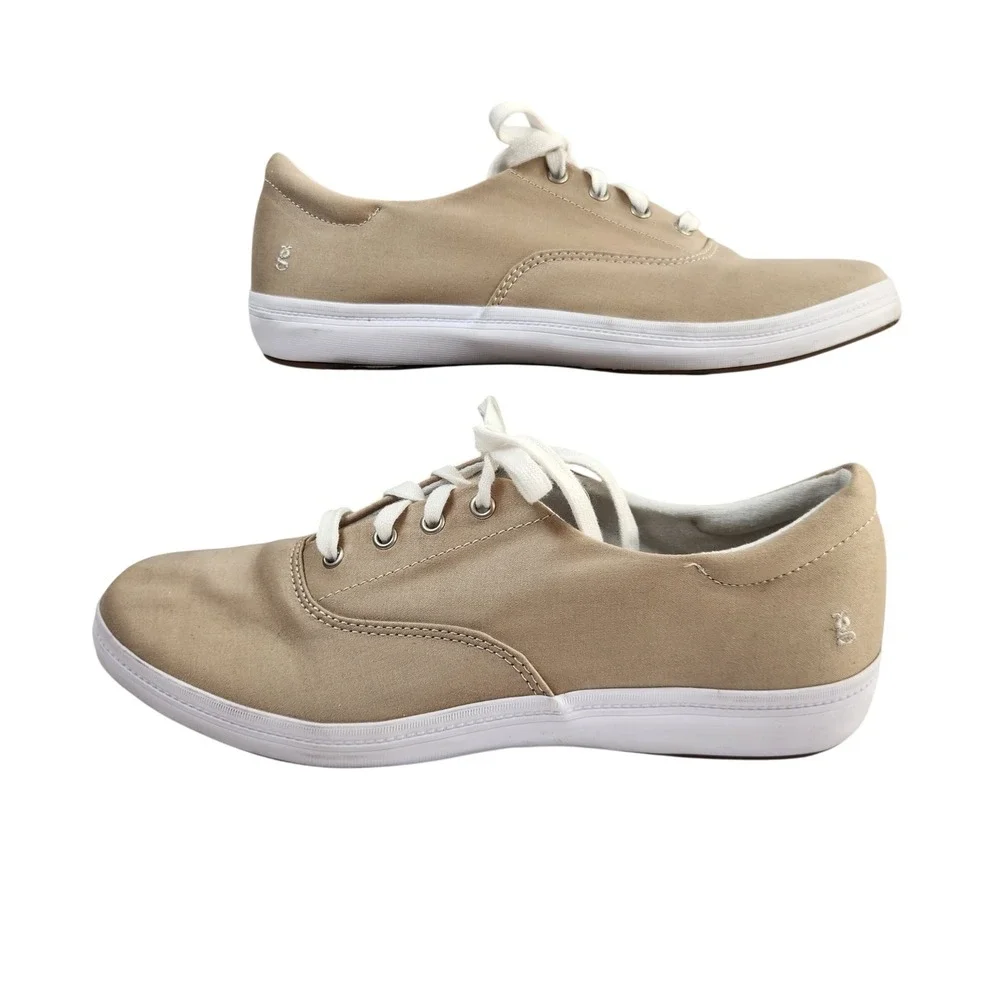
Cushioning Technology: How OrthoLite Foam Compares to Traditional Insoles
OrthoLite insoles use polyurethane foam with millions of open air cells that compress under weight and spring back when pressure releases. This structure absorbs impact across the entire footbed rather than just at heel strike, which spreads force more evenly than the flat EVA or cork insoles found in many canvas shoes.
The open-cell design also allows air to circulate through the foam itself, not just around it. Traditional canvas shoes rely on the fabric upper for ventilation while the insole remains a solid barrier, so moisture has fewer escape paths.
Our women’s OrthoLite collection pairs this foam platform with moisture-wicking linings that pull perspiration away from skin before it saturates the insole. Canvas models prioritize a different advantage—minimal break-in time and a lived-in feel from day one.
Upper Material Durability: Canvas Weave vs Synthetic Blends
Canvas fabric is cotton or cotton-blend threads woven in a plain or twill pattern, creating a dense but porous surface. The weave flexes with your foot’s natural motion and softens over time without losing structural integrity, though heavy abrasion—dragging toes on pavement, repeated contact with sharp edges—will eventually fray individual threads.
Shoes built around OrthoLite insoles often use synthetic mesh or textile blends in the upper because these materials resist water absorption better than natural fibers. A soaked canvas shoe takes hours to dry and can develop odor if moisture sits in the weave, while synthetic uppers shed water and dry faster.
For comparison, our tennis shoe line uses reinforced toe caps and double-stitched seams on canvas models specifically to extend lifespan in high-wear zones. The tradeoff is slightly stiffer initial feel compared to the instant flexibility of a pure canvas construction.
Weight and Flexibility: Why Construction Method Matters
A typical canvas sneaker weighs 6-8 ounces per shoe because the upper fabric, rubber outsole, and minimal insole contribute almost no bulk. You feel ground texture more directly through the thin sole, which some wearers prefer for boardsports or casual walking where sensory feedback matters.
OrthoLite-equipped shoes add 1-2 ounces per shoe from the thicker insole and often include a more structured midsole to support the foam platform. This extra weight is imperceptible during short wear but becomes noticeable on all-day walking trips or extended standing shifts.
Flexibility follows a similar pattern—canvas bends easily at the ball of the foot because there’s minimal material resisting the flex, while OrthoLite models build in moderate arch support that limits how far the shoe can fold. According to footwear design principles documented across industry sources, neither approach is universally better; the right choice depends on whether you prioritize ground feel or structured cushioning.

Maintenance and Longevity: Cleaning Methods That Preserve Each Style
Canvas shoes tolerate machine washing on gentle cycles with cold water, though repeated washing fades dye and loosens adhesive bonds between the upper and sole. Spot-cleaning with a damp cloth and mild soap extends lifespan better than frequent full washes.
OrthoLite foam should never be submerged or machine-washed because the open-cell structure traps water that takes days to fully evaporate, creating mildew risk. Instead, remove the insole and wipe it with a barely-damp cloth, then air-dry completely before reinserting.
Both styles benefit from rotation—wearing the same pair every day compresses foam and weakens fabric faster than alternating between two pairs. We’ve seen canvas shoes last 12-18 months of daily wear before sole separation becomes an issue, while OrthoLite insoles typically retain 80% of their original cushioning through the first year and gradually firm up after that.
If you’re exploring other footwear options that balance style and function, TekGear Store offers a range of performance-focused gear worth considering alongside casual sneakers.

Price and Value: Understanding the Cost Difference
Canvas sneakers generally retail $10-20 less than comparable OrthoLite models because the simpler construction requires fewer materials and less specialized manufacturing. You’re paying primarily for fabric, rubber, and basic assembly.
OrthoLite technology adds cost through licensed foam compounds, thicker midsole components, and often higher-quality upper materials to match the insole’s performance tier. The price gap reflects tangible functional differences rather than brand markup alone.
Value calculation depends on use case—if you replace canvas shoes twice as often due to wear or comfort issues, the OrthoLite investment breaks even over 18-24 months. If you prioritize versatility and own multiple pairs for different activities, budget-friendly canvas models let you diversify your rotation without significant expense.
Choosing the Right Fit for Your Daily Routine
OrthoLite and canvas shoes serve different priorities, and neither is a universal winner. If you spend hours on your feet and need cushioning that lasts through long shifts, OrthoLite foam delivers measurable fatigue reduction. If you value lightweight simplicity, fast drying, and easy maintenance, canvas construction still has no real substitute.
We build both styles because real life demands options—some days call for maximum support, others for grab-and-go simplicity. The best choice is the one that matches how you actually move through your day, not the one with the most advanced-sounding technology on paper.
Common Questions About OrthoLite and Canvas Footwear
Yes, aftermarket OrthoLite insoles fit most lace-up canvas sneakers if you remove the original sockliner first. The added thickness may reduce toe box room slightly, so try them on before committing.
Some canvas shoes have glued-in insoles that resist removal without tearing. If the original insole won’t lift cleanly, adding an OrthoLite layer on top creates uncomfortable bulk and isn’t recommended.
OrthoLite foam provides cushioning but not structured arch support by itself—the insole compresses evenly across its surface rather than holding a specific arch shape. If you have flat feet or high arches and need posting or contouring, look for shoes that pair OrthoLite with a molded footbed or add custom orthotics.
Canvas shoes with flat insoles offer more room for aftermarket orthotics because you can remove the thin factory liner entirely, while OrthoLite models may lack space for thick custom inserts unless you size up.
Canvas uppers typically breathe better in extreme heat because the woven fabric allows air to pass directly through the material. OrthoLite foam itself ventilates well, but if the shoe pairs it with a synthetic mesh upper, overall airflow may still be less than pure canvas.
For maximum summer ventilation, prioritize shoes with canvas or open-weave uppers regardless of insole type. The upper material controls most of the heat buildup, not the insole technology.
OrthoLite insoles maintain noticeable cushioning for 12-18 months of regular wear, then gradually firm up as the foam cells compress permanently. You’ll feel the decline as reduced shock absorption and less springy rebound underfoot.
Replacement insoles are available through most retailers that carry OrthoLite-equipped shoes, or you can swap in aftermarket options once the originals wear out. Canvas shoe insoles typically flatten faster—within 6-9 months—but cost less to replace.
OrthoLite foam reduces fatigue during extended standing because it distributes pressure more evenly than thin flat insoles. Workers in retail, healthcare, or food service often report less foot soreness at the end of shifts when wearing cushioned insoles.
Canvas shoes work for standing jobs if you add aftermarket support insoles, but the base construction doesn’t offer enough cushioning on its own for 8-hour shifts on concrete or tile. If standing comfort is the priority, start with a shoe designed around performance foam rather than retrofitting a casual canvas sneaker.
OrthoLite insoles appear in some running shoes, but the foam alone doesn’t make a shoe suitable for running—you also need proper heel counters, midsole geometry, and outsole tread designed for forward propulsion. Many OrthoLite casual sneakers lack these features and work better for walking than running.
If you want running-specific performance, look for shoes marketed as running models that happen to include OrthoLite, rather than assuming any OrthoLite shoe will handle running loads safely.