
How Grasshopper Canvas Breathability Actually Works: The Science Behind All-Day Comfort
Canvas shoes promise breathability, but not all canvas is created equal. The difference between a shoe that keeps your feet dry during a full day of errands and one that leaves you pulling off your socks the moment you get home comes down to fiber structure, weave density, and intentional design choices.
Grasshopper canvas footwear uses a specific cotton blend and weave pattern engineered for maximum airflow without sacrificing durability. We’ll walk through exactly how that works, what makes canvas breathable in the first place, and how our construction methods enhance natural ventilation.

Why Cotton Canvas Breathes Better Than Synthetic Materials
Cotton fibers are hollow tubes at the microscopic level, which creates natural channels for air and moisture to pass through the fabric. When woven into canvas, these fibers maintain tiny gaps between threads that synthetic materials can’t replicate.
Synthetic shoe uppers like polyurethane or vinyl form a solid barrier that traps heat and moisture inside. Cotton canvas, by contrast, allows water vapor from your feet to escape outward while fresh air moves in. The weave we use in our canvas shoe line sits at 10 ounces per square yard, which balances open ventilation with the structural integrity needed for daily wear.
This is why cotton canvas has been the go-to material for warm-weather footwear for over a century. The fiber structure itself does the work, long before any design features come into play.
How Weave Density Controls Airflow Without Compromising Strength
A looser weave lets more air through but wears out faster under friction. A tighter weave lasts longer but traps heat. The sweet spot for breathable canvas shoes falls between 8 and 12 ounces per square yard, depending on the shoe’s intended use.
Grasshopper canvas sits at the lighter end of that range, using a plain weave pattern where warp and weft threads alternate in a simple over-under pattern. This creates consistent ventilation across the entire upper rather than blocking airflow in certain areas. Heavier canvas, like the 15-ounce duck used in work boots, provides abrasion resistance but sacrifices the breathability casual footwear needs.
The thread count also matters. We use a 40-count yarn, which means 40 individual threads per inch in both directions. Higher counts create a denser fabric that holds shape better but reduces the size of air gaps between fibers.
Strategic Ventilation Zones in the Upper Design
Canvas breathes naturally, but thoughtful construction amplifies that effect. Grasshopper shoes place mesh panels along the lateral sides and toe box, the areas where foot perspiration concentrates during movement.
These panels use a lighter 6-ounce cotton mesh with a looser weave than the main canvas upper. Air moves through these zones up to three times faster than through standard canvas, creating a cross-ventilation effect as you walk. The mesh is backed with a thin microfiber lining that wicks moisture away from skin while still allowing vapor to pass outward.
The tongue also plays a role. Ours is a single-layer canvas with no foam padding, which prevents a heat-trapping air pocket from forming over the top of your foot. Many athletic shoes add thick padded tongues for comfort, but that cushioning blocks one of the shoe’s main ventilation pathways.
How Insole Material Affects Overall Breathability
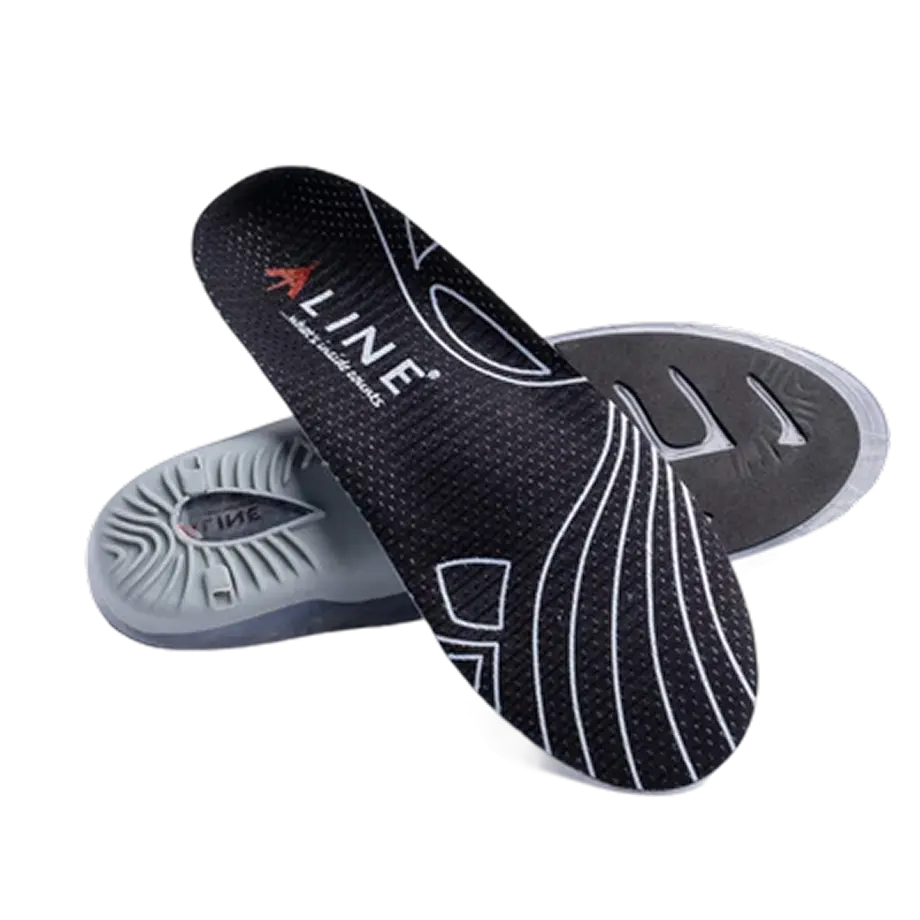
A breathable upper only does so much if the insole traps moisture against the bottom of your foot. Standard foam insoles absorb sweat but hold it in place, creating a damp environment that stays uncomfortable for hours.
Our shoes use an open-cell foam insole that allows air to circulate vertically through the footbed. This works in tandem with the OrthoLite cushioning system, which is specifically engineered to let moisture vapor pass through to the outsole vents below. The result is a ventilation path that runs from the inside of the shoe all the way to the ground.
The insole’s surface texture also matters. A smooth insole creates more skin contact, which blocks airflow. We use a lightly textured surface that reduces contact area by about 15 percent, letting air reach the sole of your foot even when you’re standing still.
Fit and Breathability: Why Sizing Matters More Than You Think
A shoe that’s too tight compresses the canvas weave, closing the air gaps that allow ventilation. A shoe that’s too loose creates friction points where your foot rubs against the material, generating extra heat that overwhelms the canvas’s natural cooling ability.
Grasshopper sizing runs slightly narrow in the midfoot, which some wearers mistake for a half-size-too-small fit. The actual solution is usually going up a half size rather than assuming the shoe is poorly designed. That extra room restores the natural air gaps in the canvas and prevents the compression that blocks ventilation.
Proper fit also ensures the mesh ventilation panels align with the widest part of your foot, where they’re most effective. If the shoe is too small, those panels shift forward and miss the high-perspiration zones entirely.
Breathability Is a System, Not Just a Material
Canvas shoes breathe because cotton fibers create natural air channels, but that’s only the starting point. Weave density, ventilation panel placement, insole material, and even fit all contribute to how much airflow actually reaches your feet.
Grasshopper canvas footwear is engineered with all of these factors in mind, not just the fabric choice. Understanding how each piece works together helps you get the most out of a shoe that’s designed to keep you comfortable from morning to night.
Common Questions About Canvas Shoe Ventilation
Canvas breathability depends on air movement, not just temperature. In high humidity, the moisture gradient between your foot and the outside air is smaller, so evaporation slows down. That said, canvas still outperforms synthetic materials in humid conditions because it allows some airflow rather than none.
The key is to keep moving. Walking generates enough air circulation to maintain ventilation even when humidity is above 70 percent.
Dirt and oil buildup in the weave blocks the air gaps that make canvas breathable. Hand-washing with mild soap and warm water every two to three weeks keeps the fibers open and functional.
Machine washing works too, but use a gentle cycle and air-dry only. High heat from a dryer can shrink the canvas and tighten the weave, reducing breathability permanently.
The weave density is locked in once the shoe is made, but you can improve overall ventilation by switching to thinner socks or removing the insole temporarily on very hot days. Loosening the laces also helps if the upper is compressing the canvas too much.
Adding aftermarket ventilation holes is not recommended. Cutting into the canvas disrupts the weave structure and creates fraying points that will spread over time.
A heavy canvas weave, synthetic lining materials, or a foam-padded tongue can all block the natural breathability of cotton fibers. Shoes marketed as canvas may also use a cotton-poly blend where the polyester content reduces ventilation.
Check the materials tag. If the upper is less than 80 percent cotton, you’re not getting the full breathability cotton canvas is known for.
Canvas fibers soften and loosen slightly with wear, which can actually improve airflow in the first few months. However, once the weave starts to break down from friction, torn fibers can mat together and block air gaps.
A well-maintained canvas shoe should retain most of its breathability for at least a year of regular use. After that, the upper may still look fine but feel noticeably less ventilated.
Color itself does not change the weave structure or fiber composition. However, darker colors absorb more heat from sunlight, which raises the temperature inside the shoe and makes your feet sweat more.
The canvas is still ventilating at the same rate, but the increased perspiration can make it feel like the shoe is less breathable. Lighter colors reflect heat and keep the internal temperature a few degrees cooler.